Scripture Reading: Leviticus 19:9–18
Verse for the Day
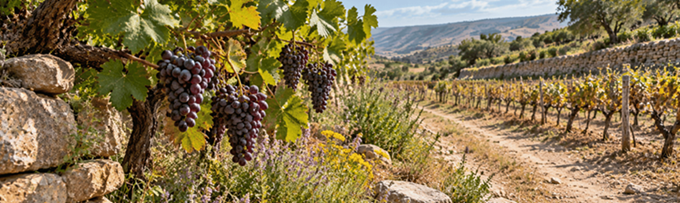
“And thou shalt not glean thy vineyard, neither shalt thou gather every grape of thy vineyard; thou shalt leave them for the poor and stranger: I am the LORD your God.” Leviticus 19:10 (KJV)
A farmer could have a successful harvest and still leave grapes on the vine. In ancient Israel, this was not carelessness. It was obedience.
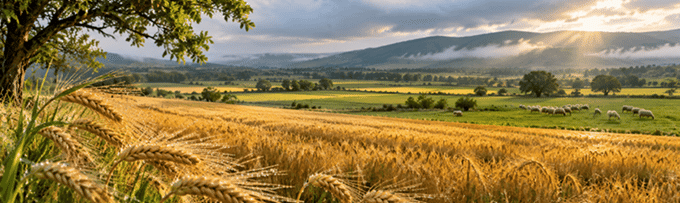
God commanded His people to leave the edges of their fields unharvested and some of their grapes ungathered. The poor and the foreigner living among them were to have an opportunity to collect what remained. It was a remarkable instruction in a world where a family’s survival often depended upon the harvest.
What makes this command especially meaningful is where God placed it. Leviticus 19 begins with His call for Israel to be holy because He is holy. The chapter then speaks about everyday conduct: honesty, justice, fair treatment of workers, respect for others, and love for one’s neighbor. Holiness was to shape how people lived with one another, including what they did with their possessions.
Consider Ruth, a widowed foreigner who later gathered grain in the field of Boaz. What might have appeared to be a small provision in Israel’s law became a means of food and dignity for someone who had very little. God had made room for people whom others might easily overlook.
There is something searching about this for us today. We may believe deeply in generosity, yet arrange our lives so carefully around our own needs and plans that little remains for anyone else. We’re so wrapped up in schedule, focus & our resource. We may have enough, yet find it difficult to make room for another person’s need.
The agricultural command belonged to Israel’s covenant life, but God’s concern for the vulnerable remains evident throughout Scripture. We may not own vineyards, yet we have opportunities to practice the same concern: treating workers fairly, helping a struggling family, sharing what we can, or noticing someone whom others have forgotten.
The harvesters were not permitted to gather everything for themselves. Their restraint helped provide for another person’s survival.
Perhaps the question is not simply how much we possess, but whether we have considered who else might need a place in what God has entrusted to us.
A Moment to Consider
Ask yourself, “What can I do or give to help someone in need?”
Prayer:
Father, thank You for what You have provided. Forgive me when I think only of my own needs. Open my eyes to people who may be struggling, and give me a willing heart to help in ways that truly matter. In Jesus’ name, Amen.